When I started my journey into writing, it was clear that I needed cover art.
I’m pretty handy with Photoshop, so I can handle my own templates and things, but when it comes to art I’m rubbish. I’ve tried to digitally paint in the past, but I’m not very good. Certainly not good enough to do my own book art.
AI wasn’t really an option back then, so I knew I’d be looking into commissioning an artist.
Enter LenamoArt.
Marlena was recommended to me, so I went to check out her website and Instagram (@LenamoArt). Both were things of much beauty. Unfortunately, the website isn’t there any more, but the instagram still is and I’d urge you to check it out…
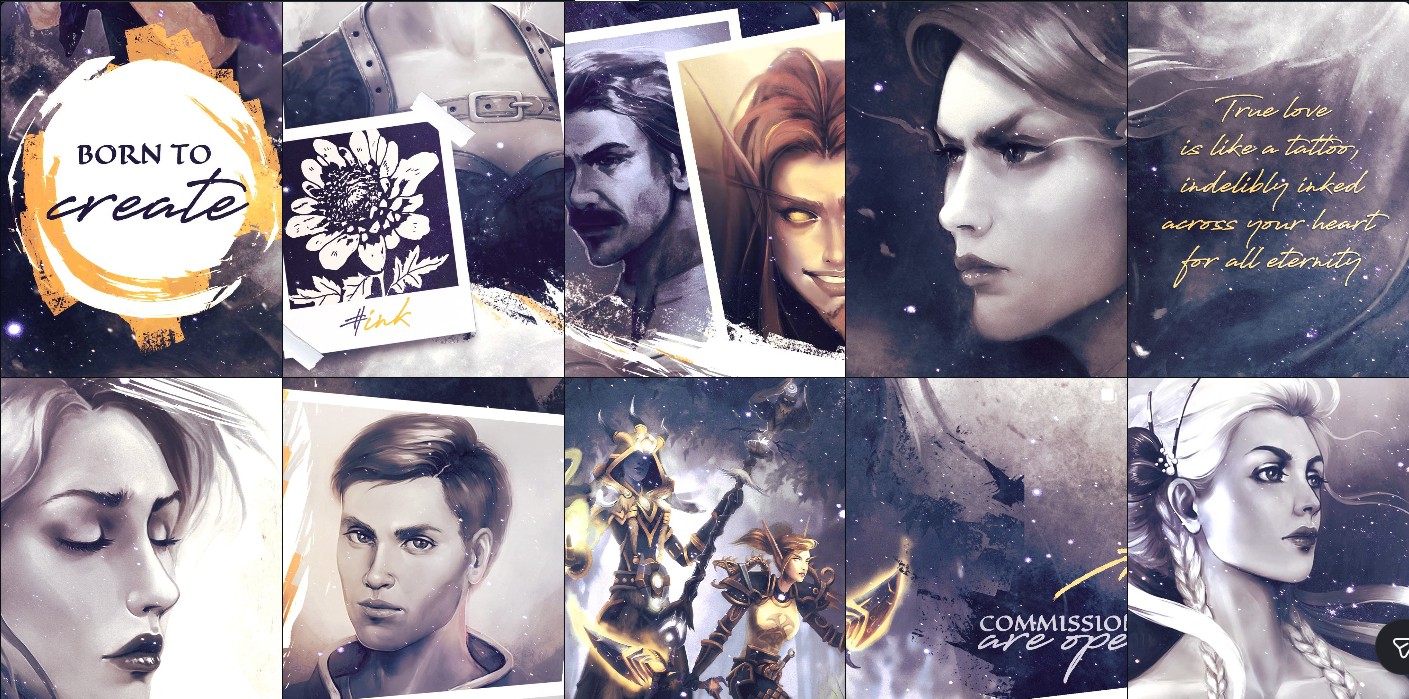
Alas, after doing seven book covers and a whole load of other incidental art, health issues forced Marlena to take a break indefinitely from art. I was gutted then, and I still am now.
It left me looking for someone to fill her very large metaphorical shoes.
The BIG Problem With Finding Artists
There are A LOT of artists on social media and all of them are trying to push their services onto anyone that might commission them. I get dozens of DMs on all manner of Social Media EVERY. SINGLE. WEEK. All asking whether I want to commission any art. I’m not kidding, it’s a crowded marketplace.
Pretty much all of them make the same mistake.
And it’s NOT the art itself. We’ve probably already been drawn to that.
It’s the process around the commissioning that’s the problem. There’s a thought process amongst artists, that if they can make nice art, then they can sell it just be cold DMing people. Which is true and probably works to an extent. But to standout in the crowded market, and get the most commissions, you need to be PROFESSIONAL.
There’s a sad lack of consistent professionalism. Maybe not in the way they approach you, but certainly in the way they approach the BUSINESS of art commissions. Because it is a business. We, the Commissioners, are here to buy a service from you. We’d feel a lot more comfortable if there was a sense of professionalism behind the art.
Marlena was all about the business. She had the website, with clearly marked terms, pay scales, contact details and commission forms. She also established the brief upon commission. Kept me updated along the process and had a proper payment system.
THAT is how you do it.
So, with that in mind, here are the issues I come across most frequently with artists asking for work:
- Establishing trust.
- There’s often no pricing structure that’s easy for the commissioner to understand, and the payment process is VERY inconsistent.
- They rarely develop the relationship beyond DMs, and communication can be decidedly spotty.
- There’s no transparency in the process.
- There’s no clearly defined terms and conditions, and no clear brief for the project.
From a commissioner’s point of view it’s frustrating, because all those things build TRUST, and that is the absolute most important thing when it comes to these collaborations. The art world is absolutely teeming with Scammers and the most important thing an artist can do is their VERY best to assure you that they aren’t one.
If I don’t trust someone, it’s unlikely I’ll use them more than once.
So, let’s break down the points above and talk about what I mean…
#1 – Do whatever it takes to establish TRUST!
This one is HUGE.
Let me give you a scenario.
Artist DMs you on Instagram. You chat. They sound legit. But…
- Their account was set up less that a month ago.
- They have no other Social Media accounts that predate this one.
- Lots of follows, but very few followers.
- There’s no personal photos on any of the Social Media feeds.
- They have maybe 10 to 15 images, all art.
- All the art is a different style.
Now, it may be that this is a genuine account of a new artist, but the red flags here are many, and are common to many scammers. Let’s dig into each one…
Points 1 and 2. A bunch of social media accounts all set up and the same time, no personal info. No friends following them? Doesn’t sound right. Most people have all kinds of social media accounts set up at all kinds of different times. Yes, it could be a new artist trying to establish themselves, but it could also be a scammer setting up multiple accounts just to look legit.
Point 3, 4 and 5. Why only 10 or 15 images? Most artists have plied this trade for years, even if they hadn’t gone professional yet. Why isn’t their feed filled with art? Work in Progress images. Videos of them working on things. Time-lapses. Maybe a few pictures of their smiling faces alongside their computer screens to show the human side of them. How about some sketches, or some rough outlines? Why not show us what they’ve been working on personally, or practising on?
There’s nothing here to show the Commissioner who this person is. Nothing to engage or engender a trust that this is a real person and not just a scam account.
To get my point, hop onto Instagram and look up Marlena’s page: @LenamoArt
There are pages and pages of art, hundreds of examples of her work and in a consistent style. It looks legit.
Be human. Show us who you really are. That’s the very first step.
Point 6. A load of different styles. Now this might be a little controversial, because good artists have many styles and obviously want to show them off. But just showing a few pictures in different styles with no context reeks of scam. Like the scammer has simple grabbed a load of random art of the interwebs and uploaded it to their feed.
What this makes me do is clip the art and then go and Google Image search it to check it’s origin. You’d be surprised how often it comes back credited to someone else.
#2 – Pricing Structure and method of Payment.
Here’s the point…
- When you walk into a shop to buy a product, you see the price label.
- When you walk into a restaurant, the menu shows you the prices.
- When you buy a car, there’s a sticker on the window that tells you how much.
Now, showing the price doesn’t mean that you can’t agree to something else, but it gives the consumer a starting point. For instance I may see a car I like priced at £20k. I can clearly see that’s in my budget. If I want to add fancy wheels and metallic paint, then yeah, the price might go up to £23k. I get that.
Same should be true for art.
Give us a price list for common commission work. Headshots, full body, colour, black and white. Tell us what it would cost with a background. Just give us an idea of what the cost is likely to be. But also feel free to put a disclaimer at the bottom of the list saying what might need to be treated as ‘extras’, then negotiate that in faith.
Why?
Well let me tell you about Indie Authors.
We poor. 🙁
Okay, slight exaggeration, but everything we need to push our book out into the world costs money.
By the time we’ve bought our ISBN number, got editing done, formatting help, and cover art, we’re already thousands in the hole. An Indie Author can easily spend between £2k and £4k on this.
Then consider that we might make maybe £2 per book after print costs and Amazon taking their cut.
An outlay of £4k means we’d need to sell 2000 books just to break even. That’s alot of books.
So naturally we’ll be drawn to the most cost effective method, and that means probably the cheapest artist that fills our brief.
So, please, give us a cost guide and try not to price yourself out of the market. I absolutely agree that you should charge what you think you’re worth, but I’m here to tell you that pushing too high will likely limit your sales opportunities in the Indie Author market.
And while we’re on the subject of money…

PayPal. PayPal. PayPal.
If you don’t understand why this is important, then go read my last blog post: Linky
Make it a business account, not something weird. PayPal instantly lends an air of legitimacy to your approach. It gives protection to the buyer and the seller.
Any proper legit artist will offer instalments. Usually a deposit up front and then a final payment on completion. The Commissioner gets to hold the final payment to ensure the artwork is finished. The artist gets to hold delivery of the artwork until the final payment is made. Now these are the key points:
- If the artist doesn’t deliver, then the Commissioner can use PayPal to get refunded.
- If the artist doesn’t get paid, then (and honestly I’ve never tried this as I’m never the artist) I assume a dispute can be sent to PayPal Seller Protection for lack of payment disputes.
Scammers generally don’t like using legit payment methods. They’ll want bank transfers, or some other method.
I ONLY deal with PayPal. Read my last blog post to understand why.
#3 – Communication
This may be a personal thing, but if I’m commissioning an artist, I want to feel like this is a collaboration.
I’m planning to write lots and lots of books in the future, so I want a relationship to grow with an artist I trust. I want to know them as more than just a bunch of text in a DM or Email. Now, I understand that this takes time, but I think it’s important.
That first art commission might take some time to get right. It takes you, as a commissioner, a while to work out what your artist is capable of. By the same token, it takes the artist a while to figure out exactly what the commissioner wants.
I, for example, and a perfectionist. I assume that drives artists crazy. LOL
But, Marlena quickly figured that out after I was constantly changing and suggesting things on the first cover we did for Hunters. The first draft looked like this:
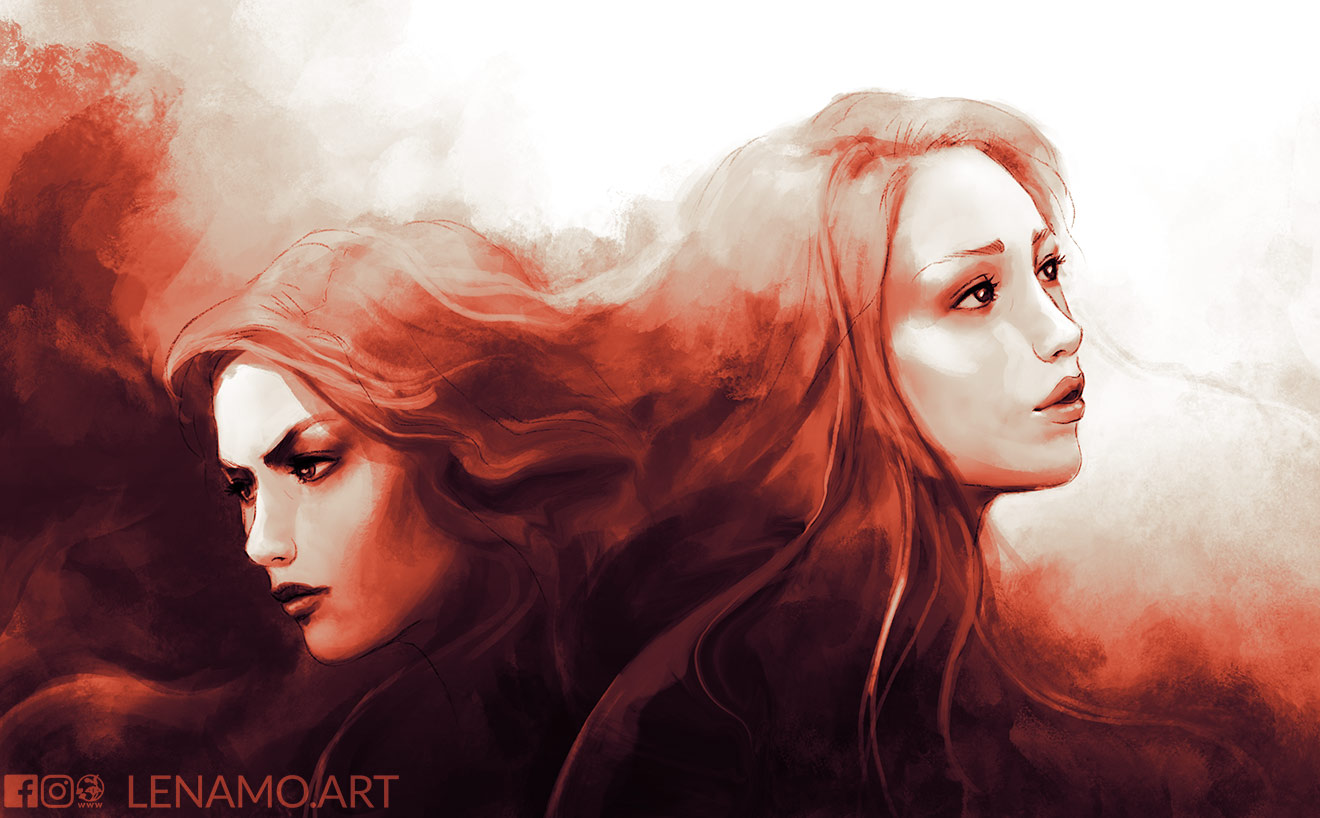
Fantastic start! But, it wasn’t totally my vision. It took a while, and a lot of back and forth. Make it redder. Close her eyes. Put a flaming effect off her eyes on the left. Put fire sparks in the background. Make her look more serene than sad. And many more changes. But finally we ended up with this:
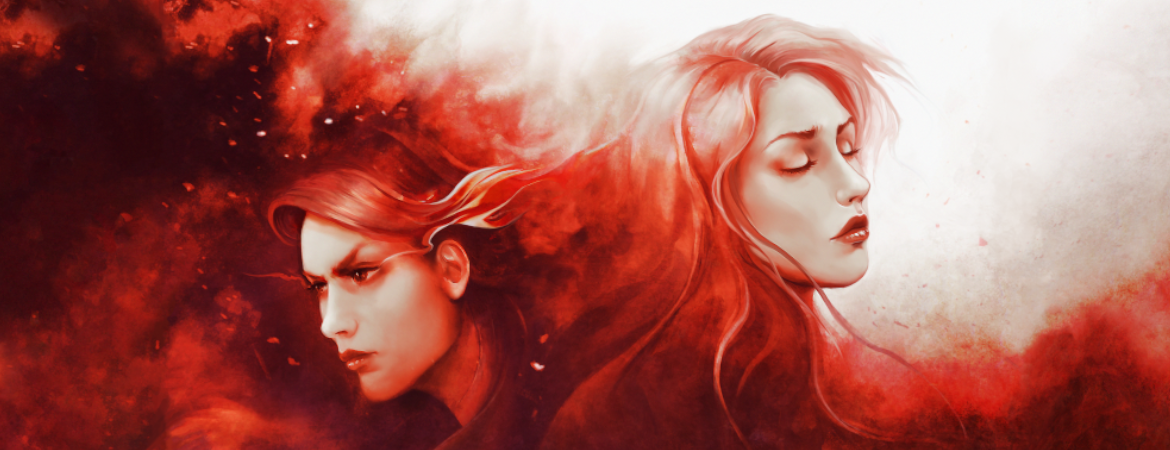
I think that Marlena actually kind of enjoyed the process. I think I pushed her harder than a lot of her other customers, and what she produced was something we both ended up incredibly proud of. What’s more, when it came to book 2, we were much more in tune with each other. She instantly knew what I was looking for, and the first sketch needed very few changes.
This was only truly achieved through open and constant communication.
I’d massively recommend that artists get something like GoogleChat. Something where you can actively chat and collaborate. Where you know you can reach each other if there’s an issue. And don’t go for too long without checking in. Keep the commissioner updated, and we’ll keep giving you encouragement and feedback.
#4 – Transparency in the Process!
First up, have a Commissions Form.
Send it out upfront to the customer with everything you need to know about the commission they want. Marlena had this as a form on her website, but it’s incredibly easy to create one in GoogleForms, then you just send the link out and collect the information.
On that form, also make it clear the terms and conditions.
Most authors will require Commercially Licensed work so that they can use it on their book covers, promos, merch etc. Make it clear whether your art includes that. (By the way, I’d recommend you include that as standard. We will need it, and if you don’t allow it or want an extra cost for it, then we’ll look elsewhere. As I said, we Indie Authors need to be thrifty. We’ll look for the best deals around!)
Also, remind the commissioner that the intellectual property rights stay with you. Protect yourself.
Once the commission is made and the form filled in, then turn around and feed that back to the customer with the expectation of cost, instalment plans, and details of what will be produced (JPG, PNG, PDF, transparency, resolution, sizes etc.)
Then discuss.
Once agreed, we then get to the REAL nitty gritty.
SUPER SUPER SUPER Important.
If you want our trust, then earn it. And to earn it, you’re going to need to give us those regular updates.
If I’m just sent a piece of art after 2 days and it seems complete, then I’m going to be highly suspicious that it’s AI-generated. Maybe some artists work superfast, but in my experience, it takes time to get it right.
I also want to be in the loop. I want to be part of the process.
So, give me a sketch up front. Show me what you’re thinking of doing. Let’s discuss it. then when we’re ready, let’s take it to the next step together. Show me the next sketch. A time-lapse or maybe a little video of you working on the project would also be great from time to time. Show me that you’re a real human being doing real art and dispel all my fears of AI being used.
For instance, I’ve been working with a wonderful artist lately, and at every step she updated me…
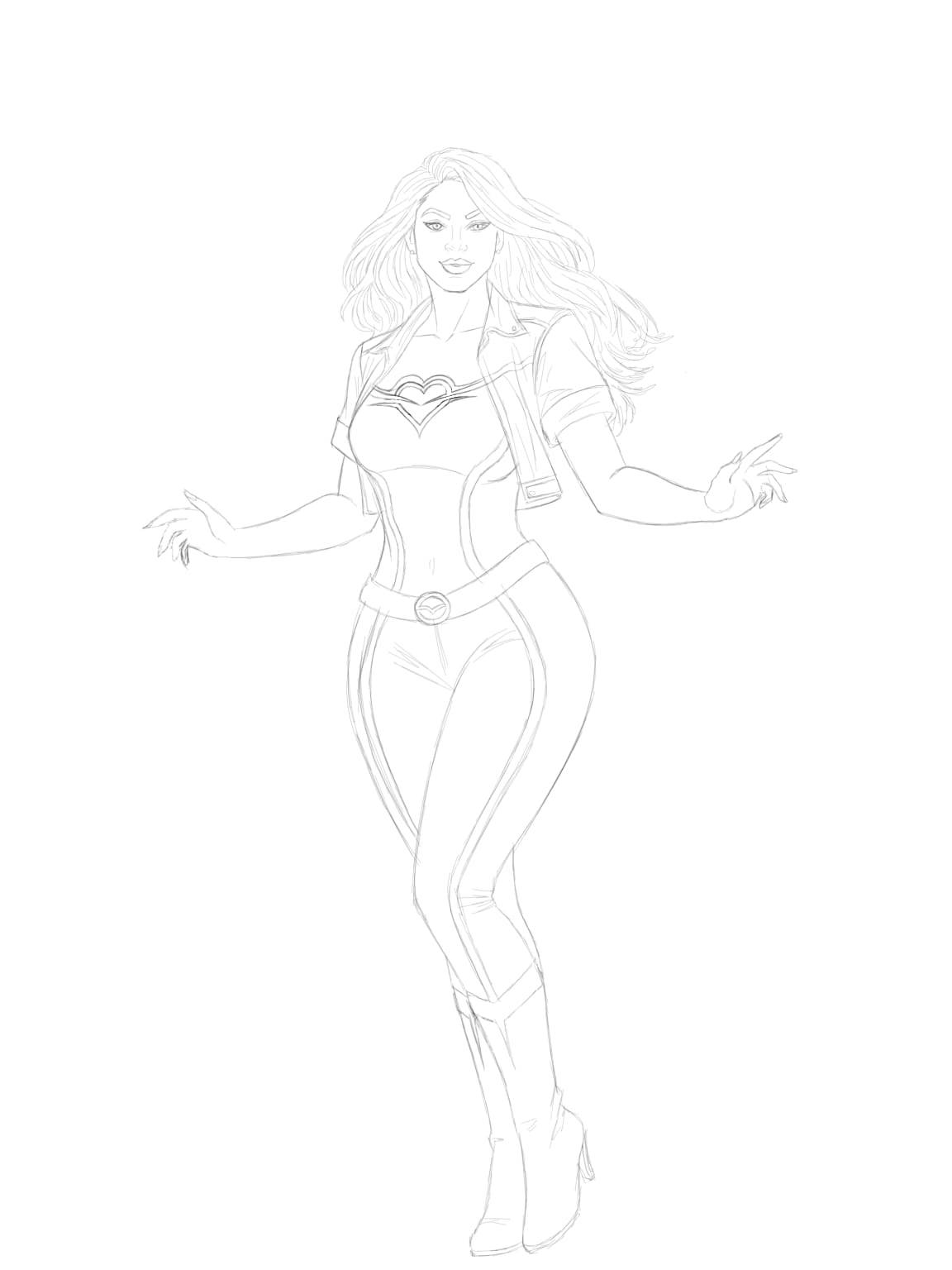
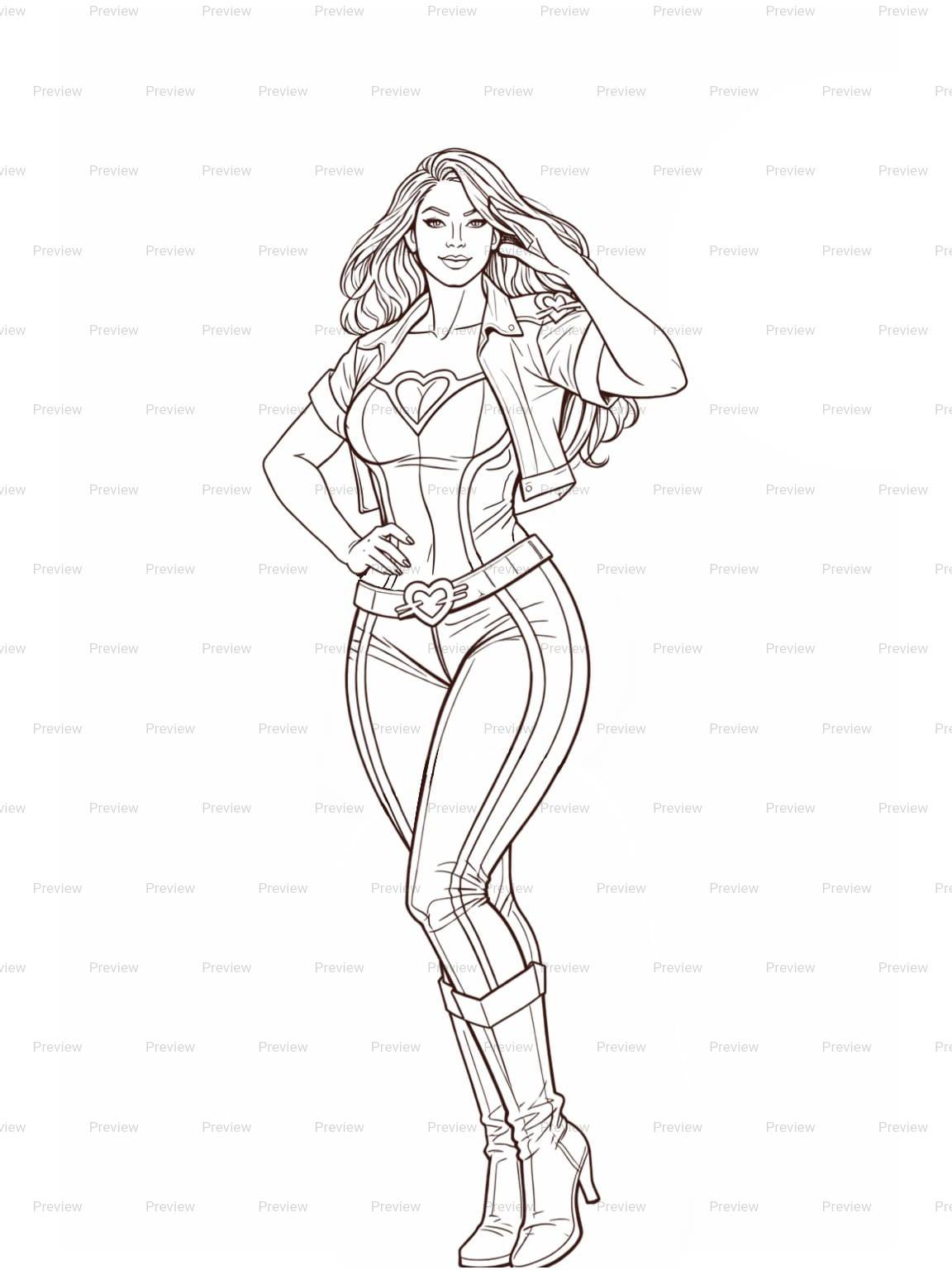
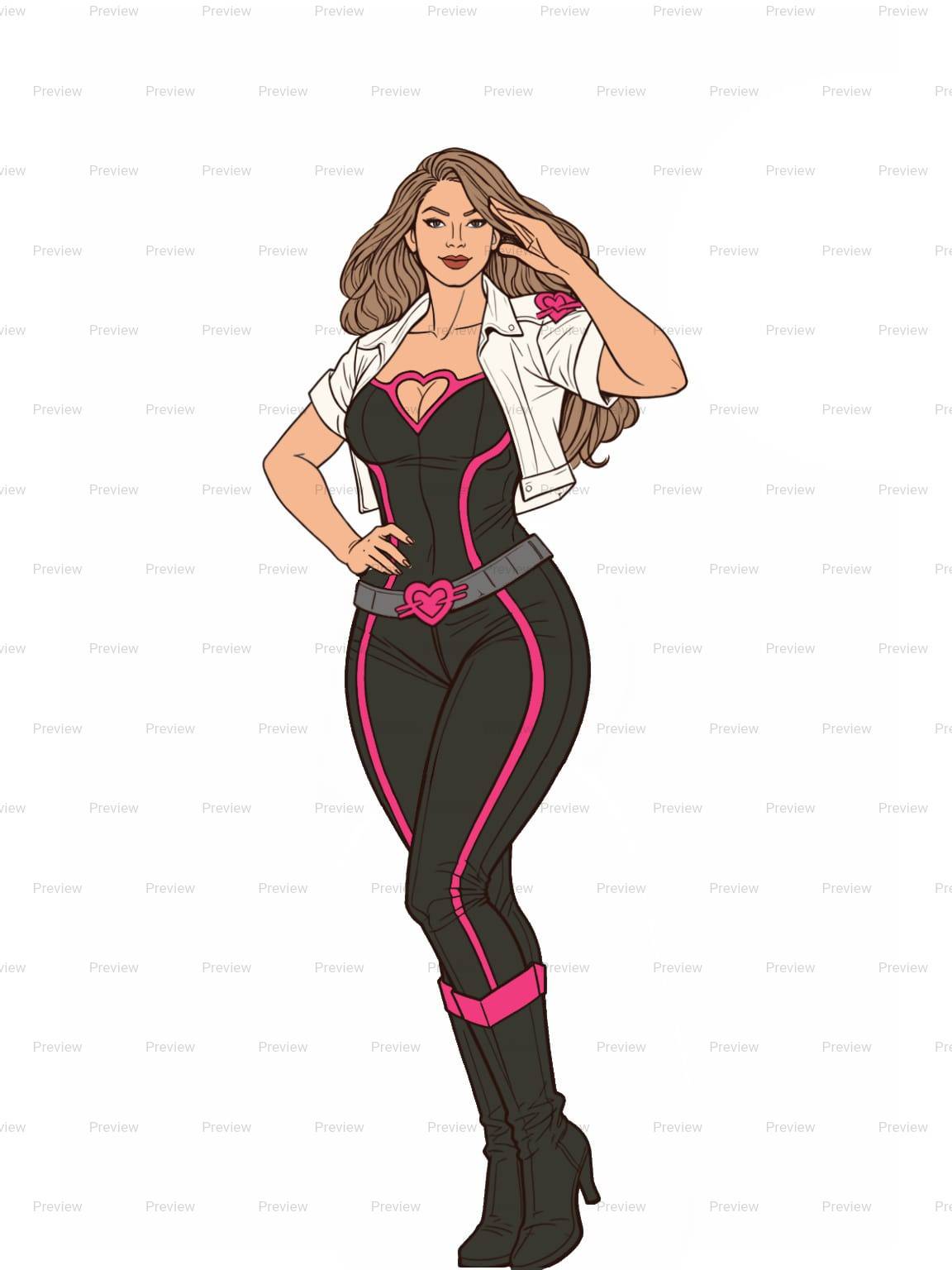
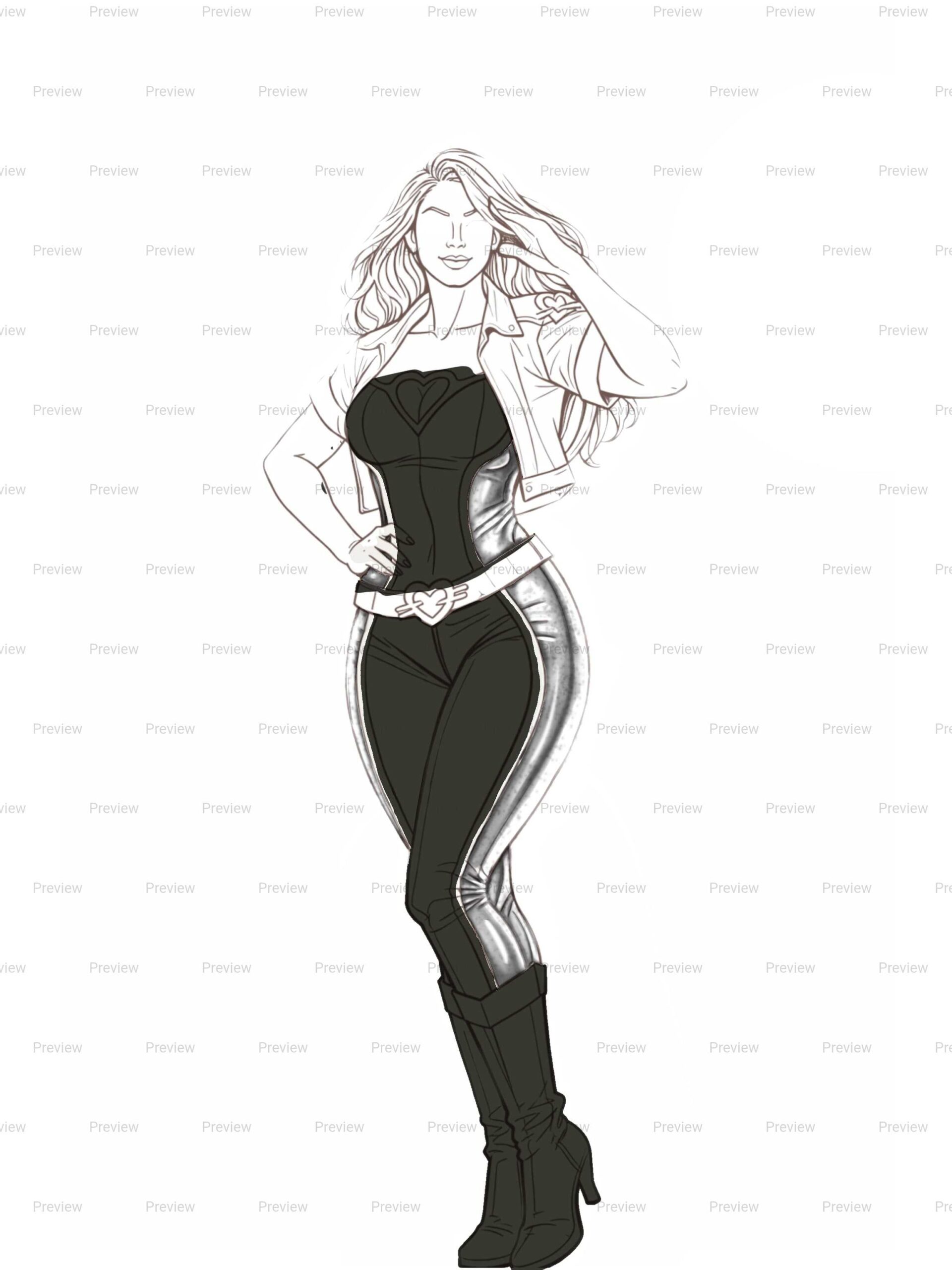
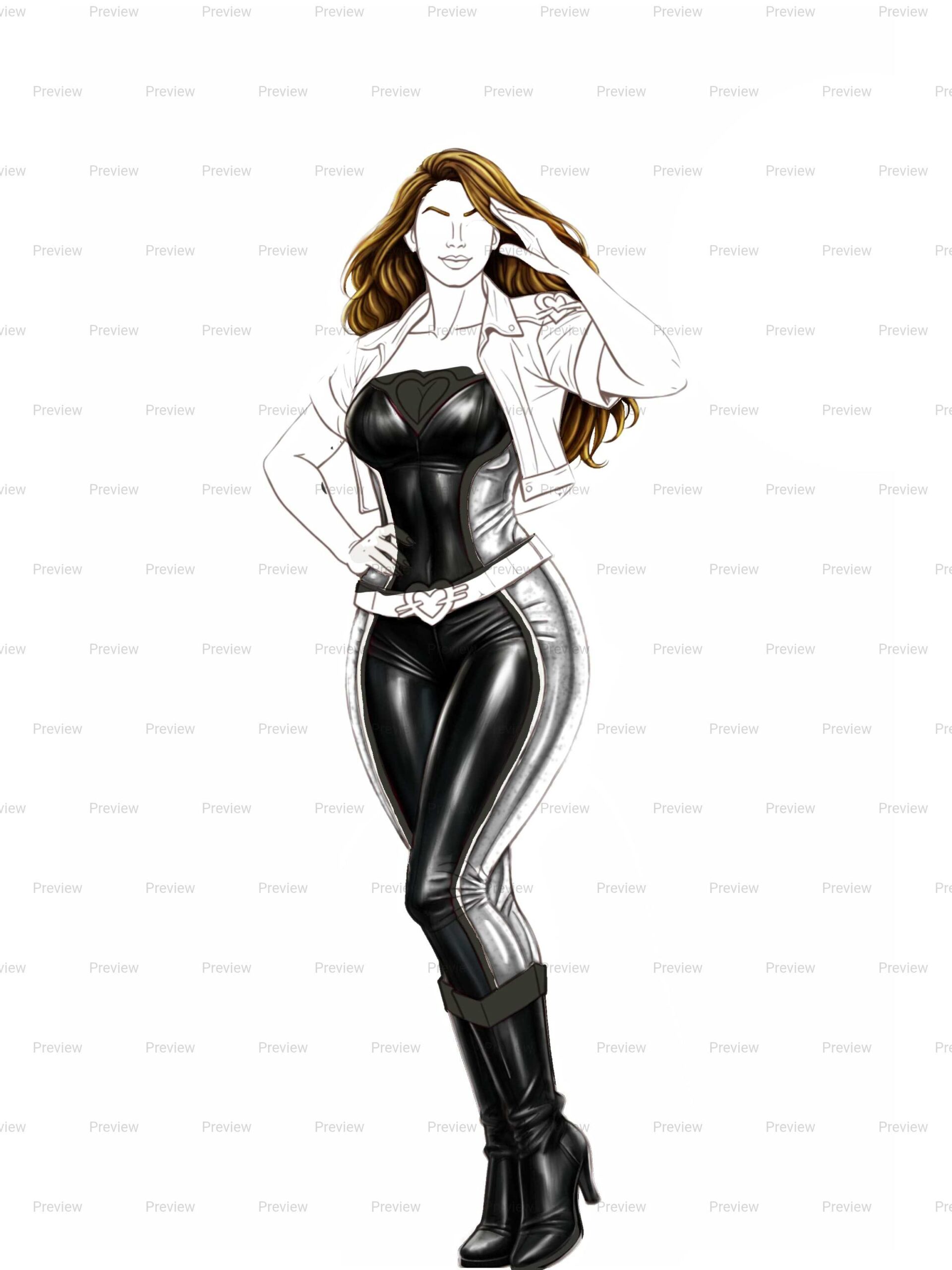

I got dozens of these updates every day. They really made me feel part of the process and enabled us to tweak the design and colours as we went along.
This is what we want. What we’re looking for. This puts our minds at ease that we’re dealing with a proper artist, not just AI. Because the thing is, if you’re a genuine artist, then you have nothing to fear by bringing us into the process and showing us the steps. The only reason you wouldn’t is if you’re trying to hide something.
Time-lapse and video footage are also a fantastic help in building trust. So do it. Build trust and not doubt. I promise if you can do that, then you’ll likely have a customer for life.
To Summarise!
This is all just friendly advice to artists who want to make a good living off their art.
All those things I’ve mentioned above are what we, as the potential customers of your art, are looking for. We want reassurance that we’re in good hands. We don’t want to feel that we’re doing business with the dodgy car salesman of the art profession.
Make it easy for us to trust you.
Show us you’re human. Put a face to the art. Be professional and transparent at every step of the way. Then, that first commission will likely turn into two. Then three. Then four or more.
PLUS, we’ll inevitably start recommending you to author friends who also need art.
Because behind the scenes, there’s a big old Indie Author community, and we talk. We’ll make recommendations to each other, and we’ll also tell each other who to avoid as potential scammers. We’ll tell each other where the best deals are, and where the ripoff merchants are. We’ll say who we suspect is pushing out AI art and who isn’t.
Hope all that helps!
Love and Books (and Art!)